Search “WordPress website designers” and you’ll find three kinds of results: template resellers wearing a design-studio label, freelancers with no accountability structure past the deposit, and agencies that quote you a number before asking a single question about your business. None of those help you build something that actually performs. This guide exists to fix that gap — to give you a complete, honest picture of what professional WordPress website designers actually do, what separates a genuinely custom build from a re-skinned theme, what it should cost, and how to evaluate anyone you’re considering hiring, including us.
WordPress powers roughly 43% of all websites globally, according to WordPress.org’s own usage statistics — which also means the pool of people calling themselves WordPress website designers is enormous and wildly uneven in skill. Some “custom” builds are a $59 marketplace theme with a new logo dropped in. Some “SEO-optimized” sites have never had a single PageSpeed Insights report run against them. This page draws the line between the two, in plain language, with real numbers. We are WP Web Designers — a 100% in-house team of WordPress website designers and developers who have launched 500+ WordPress websites, hold a 4.9-star rating across 120+ Google reviews, and average a 98/100 PageSpeed score across client builds. Everything below reflects how we actually work, not marketing copy written to sound impressive.
Get a Free Consultation from Our WordPress Website Designers →
Table of Contents
- What WordPress Website Designers Actually Do
- Why You Can Trust This Guide
- Benefits of Hiring Professional WordPress Website Designers
- WordPress by the Numbers: Market Statistics That Matter
- Why WordPress Still Wins in 2026
- Why Hire Professional WordPress Website Designers Over DIY or a Generalist
- Services Offered by Our WordPress Website Designers
- Custom vs. Bespoke vs. Off-the-Shelf WordPress Design
- Our WordPress Website Design Process, Step by Step
- Industries Served by Our WordPress Website Designers
- The WordPress Technology Stack, Explained
- WordPress Theme vs. Custom Website Design: How to Decide
- Best Practices When Choosing WordPress Website Designers
- Common Mistakes Businesses Make When Hiring WordPress Website Designers
- Affordable WordPress Website Design for Small Business
- White Label WordPress Website Design for Agencies
- Headless WordPress: When It’s Worth It
- WordPress Website Design Cost and Packages
- How We Compare to Typical Agencies and Freelancers
- Case Studies: Real Projects, Real Numbers
- What Clients Say About Our WordPress Website Designers
- Expert Insight From Our Lead WordPress Website Designer
- Frequently Asked Questions
- WordPress Website Design Glossary
- Locations Our WordPress Website Designers Serve
- Start Your Project
What WordPress Website Designers Actually Do
The title “WordPress website designer” gets used loosely, so it’s worth defining precisely. A genuine WordPress website designer is responsible for three connected disciplines, not one: visual design (layout, typography, brand expression), front-end and back-end development on the WordPress platform (theme construction, custom functionality, database structure), and technical SEO foundations (semantic markup, schema, page speed, crawlability). When any one of those three is missing, the result is a site that looks fine in a screenshot and underperforms in the real world — slow, hard to rank, or impossible for the client to update without calling the designer back.
Professional WordPress website designers typically work across a defined scope: discovery and strategy, information architecture, visual design, custom theme development, content integration, quality assurance, and post-launch support. Freelancers and small studios sometimes compress these into fewer roles; larger agencies sometimes split them across departments that don’t talk to each other. Neither extreme tends to produce the best outcome — the strongest results come from a small, coordinated, in-house team where the same people who scoped the project also build and ship it.
Designer vs. Developer vs. Full-Stack WordPress Website Designers
It helps to know which type of professional you’re actually talking to:
- WordPress designers focus on visual layout, UX, and brand — typically working in Figma or a similar design tool before any code is written.
- WordPress developers focus on theme construction, custom functionality, plugin integration, and performance — turning approved designs into a working, hand-coded site.
- Full-stack WordPress website designers — the model we operate under — combine both skill sets within one coordinated team, so design decisions account for development constraints (and vice versa) before either phase begins.
Why You Can Trust This Guide
This page is written from direct operational experience, not secondhand research. Every claim about process, pricing, and timelines below reflects how our team of WordPress website designers has actually delivered 500+ projects — it is not a generic overview assembled from other agencies’ marketing pages. Where we cite external standards (Core Web Vitals thresholds, WordPress market share, accessibility guidelines), we link directly to the primary source rather than paraphrasing secondhand.
Specifically:
- Experience: 500+ completed WordPress projects across law, healthcare, SaaS, real estate, ecommerce, education, and nonprofit sectors.
- Expertise: A 100% in-house team of WordPress website designers and developers — no outsourced production, no anonymous subcontractors.
- Authoritativeness: Documented, verifiable results — a 98/100 average PageSpeed score and specific, named case studies with measurable outcomes (see the Case Studies section).
- Trustworthiness: Published, fixed pricing ranges (see Pricing), a 4.9-star rating across 120+ independently verifiable Google reviews, and a written delivery timeline guarantee.
Benefits of Hiring Professional WordPress Website Designers
The value of hiring experienced WordPress website designers instead of assembling a site yourself or hiring the cheapest available freelancer shows up months after launch, not on day one. Here’s what that value looks like in practice.
| Benefit | What It Actually Means |
|---|---|
| SEO-first architecture | Site structure, internal linking, and schema markup are planned before a single page is designed, not patched on after launch. |
| Performance as a deliverable | Core Web Vitals and accessibility results are documented and handed to you at launch — not promised verbally. |
| A platform you actually own | Unlike closed website builders, your WordPress content, code, and database are fully portable. |
| Scalability | The same platform that runs a five-page brochure site can run a 10,000-SKU WooCommerce store or a multilingual multisite network. |
| A living asset, not a disposable one | A well-built WordPress site can be extended for years through plugins and custom development — it doesn’t need a full rebuild every redesign cycle. |
| Lower total cost of ownership | Open-source core plus a mature plugin ecosystem generally costs less to maintain long-term than proprietary CMS platforms. |
| Faster iteration | Marketing teams can launch landing pages, run A/B tests, and update content without waiting on a developer for every change. |
The pattern across all seven benefits: experienced WordPress website designers treat design, development, and SEO as one continuous discipline rather than three separate handoffs between people who never speak to each other. That coordination is exactly what shows up in your analytics six months post-launch.
WordPress by the Numbers: Market Statistics That Matter
Before evaluating any WordPress website designers, it helps to understand the platform’s actual footprint and what that means for your long-term risk:
- WordPress powers approximately 43% of all websites on the internet — by far the largest CMS market share (source: WordPress.org).
- WooCommerce, WordPress’s native ecommerce plugin, powers a substantial share of all online stores worldwide (source: WooCommerce.com).
- Google’s ranking systems place increasing weight on Core Web Vitals — loading performance, interactivity, and visual stability — as part of page experience signals (source: Google Search Central).
- Sites that fail Core Web Vitals thresholds see measurably higher bounce rates, per Google’s own web.dev research on page experience and user behavior.
- Because WordPress dominates market share, the talent pool of qualified WordPress website designers and developers is significantly larger — and typically more competitively priced — than specialists for closed, proprietary platforms.
These aren’t abstract numbers. They translate directly into practical outcomes: a larger talent pool means it’s easier to find (and replace, if needed) a WordPress developer down the line; a dominant plugin ecosystem means fewer custom-built solutions are required for standard functionality; and Google’s explicit performance weighting means the quality of your WordPress website designers’ technical work has a direct, measurable effect on your organic visibility.
Why WordPress Still Wins in 2026
Website builders like Wix, Squarespace, and Shopify’s native site tools have narrowed the ease-of-use gap considerably. WordPress still wins on the things that matter once a business outgrows a template.
- Ownership and portability. Your content and database are yours outright. You can change hosts, change developers, or migrate platforms without starting from zero.
- Extensibility. With tens of thousands of plugins and a mature WordPress REST API, the platform can support booking systems, membership gating, multilingual content, and complex ecommerce without a platform rewrite.
- SEO control. WordPress gives direct access to URL structure, schema markup, meta data, sitemap generation, and canonical tags. Closed builders often restrict or auto-generate these in ways that cap technical SEO.
- Cost flexibility. You’re not locked into one vendor’s pricing tiers — hosting, plugins, and development can each be sourced competitively.
- A mature, replaceable talent pool. Because WordPress dominates the CMS market, finding qualified WordPress website designers is faster and generally more affordable than sourcing specialists for a proprietary platform.
- Accessibility compliance is achievable. WordPress core and most well-built themes can meet W3C Web Accessibility Initiative standards with proper implementation — something far harder to guarantee on a locked-down site builder.
None of this means WordPress is automatically fast or lightweight — that reputation is earned or lost entirely based on how the site is built. This is exactly where the skill of your WordPress website designers pays for itself or costs you traffic.
Why Hire Professional WordPress Website Designers Over DIY or a Generalist
1. Named WordPress Website Designers, Not Anonymous Handoffs
You meet your project lead before work starts. There’s no offshore handoff partway through the build, and no junior-to-senior bait-and-switch after the contract is signed. The people you speak to during discovery are the same people building your site.
2. Performance Is a Deliverable, Not a Promise
Every project our WordPress website designers ship includes documented PageSpeed Insights scores, an accessibility check against W3C WAI guidelines, and a full Core Web Vitals report handed over at launch — not a verbal assurance that “it’ll be fast.”
3. Transparent Pricing With No Discovery-Stage Surprises
Real pricing ranges are published upfront (see Pricing), scope is defined clearly, and it’s locked in writing before development begins. What you’re quoted is what you pay; changes go through a formal, documented process rather than surprise invoices.
4. Faster, Guaranteed Delivery Timelines
Typical WordPress agency timelines run 8–16 weeks. Our standard delivery window is 4–6 weeks from signed agreement to launch, with smaller brochure sites moving in as little as 2–3 weeks and WooCommerce builds typically running 8–12 weeks — all guaranteed in writing before the project starts.
5. SEO and Design Treated as One Discipline
Technical SEO, schema markup, and keyword-informed information architecture are built into the design phase from day one — not bolted on after launch when the site’s structure is already too rigid to change cheaply.
6. A Team That Understands Conversion, Not Just Aesthetics
A visually striking website that doesn’t convert is a design failure, not a success. Experienced WordPress website designers build every page around a specific action — a form fill, a call, a purchase — and structure the layout, copy hierarchy, and calls-to-action around that goal rather than around what looks impressive in a portfolio screenshot.
Services Offered by Our WordPress Website Designers
| Service | What’s Included |
|---|---|
| WordPress Website Design | Custom WordPress website design backed by years of platform-specific expertise — strategy through visual design. |
| WordPress Development | Custom theme development built for performance, scalability, and long-term maintainability. |
| WordPress Ecommerce Design (WooCommerce) | Conversion-focused WooCommerce stores designed to help businesses sell more online. |
| WordPress Website Redesign | Transforming outdated WordPress sites into modern, faster, better-converting digital assets — without losing existing SEO equity. |
| WordPress SEO Services | Technical SEO and on-page optimization integrated into every project, not sold as a separate add-on. |
| WordPress Speed Optimization | Improving site speed, Core Web Vitals, and overall user experience through targeted performance engineering. |
| WordPress Maintenance & Support | Ongoing updates, security monitoring, and support to keep a live site healthy. |
| WordPress Hosting & Migration | Secure hosting recommendations and seamless site migrations handled by specialists. |
Every one of these is available as a standalone engagement with our WordPress website designers or bundled into a full package — see Pricing for how that’s typically structured.
Custom vs. Bespoke vs. Off-the-Shelf WordPress Design
These terms get used loosely across the industry, so here’s how experienced WordPress website designers actually differentiate them:
- Off-the-shelf theme: A pre-built WordPress theme is purchased and customized with your logo, colors, and content. Fast and cheap, but you’re working within someone else’s code decisions, often carrying unused theme bloat that slows the site down.
- Custom WordPress website design: Visual design and page layouts are built specifically for your brand and content, generally on a custom or lightly-modified theme foundation, with development tailored to your functional requirements.
- Bespoke WordPress website design: A step further — custom design and a custom-built theme from the ground up, with no dependency on a third-party page builder’s runtime. This is what “hand-coded” means: semantic HTML, deliberate CSS, and a Gutenberg block editor-based editing experience built for your content types specifically.
The practical difference shows up in three places: page speed (bespoke builds carry no unused theme code), long-term maintainability (fewer plugin dependencies means fewer things that can break on update), and design flexibility (you’re not constrained by a theme’s built-in layout options). Experienced WordPress website designers rarely recommend a heavily modified theme once a business is past the validation stage.
Our WordPress Website Design Process, Step by Step
A structured, eight-step process — every project our WordPress website designers run moves through the same stages, whether it’s a five-page brochure site or a full WooCommerce rebuild.
| Step | Phase | What Happens |
|---|---|---|
| 01 | Discovery & Strategy | Goals, audience, competitors, and conversion objectives are defined before design starts. This is where our WordPress website designers audit your existing analytics (if any) and identify what’s actually holding conversion back. |
| 02 | Wireframes & Information Architecture | Page structure is mapped to user journeys and SEO requirements, reviewed before any visual design begins — this stage prevents the expensive rework that happens when SEO is considered too late. |
| 03 | Visual Design & Brand Integration | High-fidelity mockups are built in Figma, with two structured rounds of client revisions before development starts. |
| 04 | WordPress Development | A custom theme is built to the approved designs — semantic HTML, clean code, no unnecessary plugins, built on the Gutenberg block editor. |
| 05 | SEO & Performance Setup | On-page SEO, schema markup, Core Web Vitals optimization, and a full speed audit are completed before launch, not after. |
| 06 | Content Integration | Your content — or ours, if copywriting support is needed — is loaded and formatted across every page. |
| 07 | QA & Pre-Launch Testing | Cross-browser and mobile testing, form checks, 404 audits, and security hardening. |
| 08 | Launch & Ongoing Support | Go-live with DNS support, followed by monthly maintenance plans to keep everything running. |
Roughly 70% of clients move onto a maintenance retainer after launch, covering plugin updates, uptime monitoring, malware scanning, and daily backups — the kind of ongoing care that separates WordPress website designers from a one-off freelance transaction.
Industries Served by Our WordPress Website Designers
Different industries carry different compliance requirements, conversion patterns, and audience expectations. WordPress website designers who already understand your sector’s baseline save you from re-explaining the obvious during discovery.
| Industry | Design Priorities |
|---|---|
| Law Firms | Trust-first design, intake form integration, ADA-compliant accessibility built around W3C WAI standards. |
| Healthcare | HIPAA-aware forms and workflows, patient-focused UX, careful handling of any collected patient data. |
| SaaS & Tech | Demo-driven, product-led layouts that explain the product fast, built to convert trial sign-ups. |
| Real Estate | MLS integration, structured lead capture, listing-heavy page architecture that stays fast at scale. |
| Restaurants | Reservation systems, menu integration, location and hours prominence for local search. |
| Ecommerce | WooCommerce builds designed around conversion, not just catalog display — checkout friction reduction is a core focus. |
| Small Business | Affordable, self-manageable sites the owner can actually update without calling a developer. |
| Nonprofits | Donation flows, mission-driven storytelling, transparent impact reporting. |
| Logistics | Tracking integrations, quote requests, conversion-focused layouts for B2B decision-makers. |
Each of these engagements draws on the same underlying process (see Our Process), adjusted for the specific compliance and conversion requirements of the sector.
The WordPress Technology Stack, Explained
Understanding what’s actually under the hood helps you evaluate any WordPress website designers’ proposal — including ours.
Core Platform
- WordPress core (PHP-based, open source) manages content, users, and the plugin/theme architecture.
- MySQL or MariaDB stores your content, settings, and metadata.
- The Gutenberg block editor is WordPress’s native content-editing system, letting non-technical users edit page content without touching code while still supporting fully custom block designs.
Development Layer
- Custom theme development (PHP, HTML, CSS, JavaScript) is how bespoke visual design gets built without leaning on a third-party page builder’s runtime overhead.
- Advanced Custom Fields (ACF) is commonly used to build structured, editor-friendly custom content types without touching the database directly.
- The WordPress REST API exposes site content as structured JSON — the foundation that makes headless WordPress possible.
Commerce Layer for WordPress Website Designers Building Online Stores
- WooCommerce is WordPress’s native ecommerce plugin — open source, deeply integrated, and the standard choice for WordPress-based stores.
Performance and Security Layer
- Caching (page and object-level) reduces server load and improves load times.
- A content delivery network (CDN) serves static assets from servers geographically closer to visitors.
- Image optimization (modern formats like WebP, lazy loading) is one of the highest-leverage speed improvements on most WordPress sites, per web.dev’s performance guidance.
- Security hardening — firewall rules, login protection, malware scanning, regular core/plugin updates — protects against the two most common WordPress vulnerabilities: outdated plugins and weak credentials.
SEO Layer Every Team of WordPress Website Designers Should Build In
- Schema markup (structured data per Schema.org — Organization, LocalBusiness, FAQPage, Service, Review) helps search engines understand and richly display your content.
- XML sitemaps and clean URL structures make crawling and indexing more efficient, per Google Search Central’s technical guidelines.
- An SEO plugin (Yoast or Rank Math) handles meta data, sitemap generation, and on-page SEO controls.
None of this needs to be memorized by a client — but WordPress website designers who can explain each layer clearly, and tell you honestly which ones your project actually needs, are signaling that they build rather than assemble.
WordPress Theme vs. Custom Website Design: How to Decide
| Factor | Pre-Built Theme | Custom WordPress Design |
|---|---|---|
| Upfront cost | Lower ($50–$500 for the theme, plus setup) | Higher (design and development time) |
| Page speed | Often slower — theme bloat from unused features | Faster — only what your site needs is built in |
| Design flexibility | Limited to the theme’s built-in layout options | Unlimited — built around your brand and content |
| Uniqueness | You’re one of thousands of sites using the same theme | Fully differentiated visual identity |
| Long-term maintenance | More plugin dependencies, more update risk | Leaner codebase, fewer moving parts to break |
| SEO ceiling | Constrained by the theme’s markup decisions | Built for semantic HTML and schema from day one |
| Best for | Early-stage businesses testing an idea on a tight budget | Any business planning to invest in SEO, brand, or growth |
A reasonable rule of thumb: if you’re validating a business idea on a shoestring budget and expect to rebuild within a year regardless, a theme is a defensible short-term choice. If the website is meant to be a durable growth asset, hiring custom WordPress website designers pays for itself in performance, differentiation, and reduced technical debt.
Best Practices When Choosing WordPress Website Designers
- Ask for a documented delivery timeline in writing before signing — verbal estimates are not commitments.
- Request real PageSpeed numbers from past projects, not screenshots that could be cherry-picked or staged.
- Confirm who’s actually building the site. Some agencies quote in-house work and outsource the build; ask directly.
- Check whether SEO is included or sold separately. Bolted-on SEO after launch is significantly less effective than SEO built into the information architecture.
- Review actual client sites, not just portfolio mockups — load them, check mobile responsiveness, and run them through PageSpeed Insights yourself.
- Ask what happens after launch. A site with no maintenance plan degrades in security and performance over time as plugins and WordPress core update.
- Clarify content ownership. Confirm you’ll have full access to your WordPress admin, hosting, and domain — not just a “managed” account you can’t fully control.
Common Mistakes Businesses Make When Hiring WordPress Website Designers
- Choosing on price alone. The cheapest quote is almost always a theme customization rather than genuinely custom work — the gap shows up later in performance and maintainability.
- Skipping the discovery phase. Projects that jump straight to visual design without defined goals tend to produce sites that look good but don’t convert.
- Ignoring SEO until after launch. Retrofitting technical SEO onto a finished site is more expensive and less effective than building it in from the start.
- Not asking about the tech stack. A site built entirely on a bloated page builder with dozens of plugins will almost always underperform a hand-coded build on Core Web Vitals.
- No written scope or timeline. Verbal agreements lead to scope creep and missed deadlines with no recourse.
- Forgetting about post-launch maintenance. An unmaintained WordPress site becomes a security liability within months as core and plugins fall out of date.
Affordable WordPress Website Design for Small Business
“Affordable” and “custom” aren’t mutually exclusive — they just require realistic scope. Affordable WordPress website design for small businesses typically means:
- A tighter page count (5–8 pages rather than 20+)
- A design system built once and reused consistently, rather than fully bespoke layouts on every page
- Core functionality (contact forms, basic SEO, mobile responsiveness) prioritized over custom integrations
- Content provided by the client, rather than full copywriting services
This is the scope our Professional tier (see Pricing) is built around — a genuinely custom, hand-coded WordPress site sized appropriately for a small business budget, without cutting the SEO or performance fundamentals that determine whether the site actually generates leads. Small business WordPress website designers who understand this trade-off will scope the project honestly rather than overselling functionality you don’t need yet.
White Label WordPress Website Design for Agencies
Marketing agencies, branding studios, and consultants regularly need WordPress development capacity without hiring an in-house dev team. White label WordPress website design means we build the site under your agency’s brand and client relationship — you stay the point of contact, we’re the invisible production team.
This typically works one of two ways:
- Full white label: We handle design and development; your agency manages the client relationship and presents the work as your own.
- Development-only white label: Your agency handles design and strategy; we handle the WordPress build and QA, working from your Figma files or design specs.
If this is the kind of partnership you’re evaluating, it’s worth a direct conversation rather than a generic quote — scope, communication structure, and margin all vary by agency. Reach out to discuss a white label arrangement with our WordPress website designers →
Headless WordPress: When It’s Worth It
A headless WordPress website design agency approach separates the content backend (WordPress, managing your content through the familiar admin dashboard) from the frontend (a separate framework — commonly React, Next.js, or similar — that renders what visitors see, pulling content through the WordPress REST API or GraphQL).
Headless is worth considering when:
- You need frontend performance beyond what a traditional WordPress theme can deliver at scale
- Your team wants to build the frontend in a modern JavaScript framework for reasons unrelated to WordPress
- You’re serving content to multiple channels from one backend (website, mobile app, kiosk) and want a single source of truth
Headless is usually overkill when:
- Your team relies on WordPress’s native page-building and editing workflow — headless removes most of that visual editing convenience
- Your traffic and performance needs are already well served by a properly optimized traditional WordPress build
- You don’t have ongoing frontend engineering resources to maintain a separate application layer
For the majority of business websites — including most WooCommerce stores — a well-built traditional WordPress site reaches 90+ PageSpeed scores without the added architectural complexity headless introduces. Most WordPress website designers, ourselves included, recommend a traditional build unless there’s a specific technical reason to go headless.
WordPress Website Design Cost and Packages
Real ranges, published upfront, so you can make an informed decision before getting on a call.
WordPress Website Designers Package Comparison
| Professional | Growth (Most Popular) | Enterprise | |
|---|---|---|---|
| Typical Investment | $2,500 – $3,500 | $5,000 – $8,500 | $10,000 – $15,000+ (custom quote) |
| Pages | Up to 8 custom pages | 15–30 custom pages | Unlimited pages & functionality |
| Best For | New or small businesses needing a clean, professional presence | Established businesses with content-heavy sites or SEO equity to preserve | Complex ecommerce, multi-site networks, custom application builds |
| Included | Mobile-responsive design, contact & lead capture forms, Core Web Vitals optimization, basic on-page SEO, 30-day post-launch support | Full brand & UX strategy, WooCommerce (up to 50 SKUs), technical SEO architecture, GA4 + Search Console setup, 90-day post-launch support | Custom WordPress theme architecture, API & third-party integrations, multilingual/multisite support, dedicated project manager, ongoing retainer available |
Across the full range of projects, WordPress website design typically costs between $2,500 and $15,000+ depending on page count, ecommerce complexity, integrations, and how much SEO architecture is required. Anything significantly below that range is usually a theme customization rather than genuinely custom work — worth asking any WordPress website designers you’re comparing exactly what’s included before deciding on price alone.
How Our WordPress Website Designers Compare to Typical Agencies and Freelancers
| Feature | WP Web Designers | Typical Agency | Freelancer |
|---|---|---|---|
| Delivery time (signed brief to launch) | 4–6 weeks (as fast as 2–3 for smaller sites) | 8–16 weeks | Unpredictable |
| Pricing transparency | Real ranges published upfront | ✗ | ✗ |
| SEO + design built together | ✓ | ✗ | ✗ |
| 100% in-house team | ✓ | ✗ | ✗ |
| PageSpeed 90+ documented at handover | ✓ | ✗ | ✗ |
| Schema + Core Web Vitals as default | ✓ | ✗ | ✗ |
| Post-launch support included | ✓ | ✓ | ✗ |
This isn’t to say every agency or freelancer is a bad choice — plenty do excellent work. But these are the specific, checkable questions worth asking any WordPress website designers before you sign: What’s your documented delivery timeline? Will I see real PageSpeed numbers at handover? Who exactly is building my site?
Case Studies: Real Projects, Real Numbers
A sample of custom WordPress website design work from our WordPress website designers, spanning SaaS, education, and professional services. Full case studies are available on our Portfolio page.
Pixel2Tech — A WordPress Site Built to Generate Leads (SaaS & Tech, 2026)
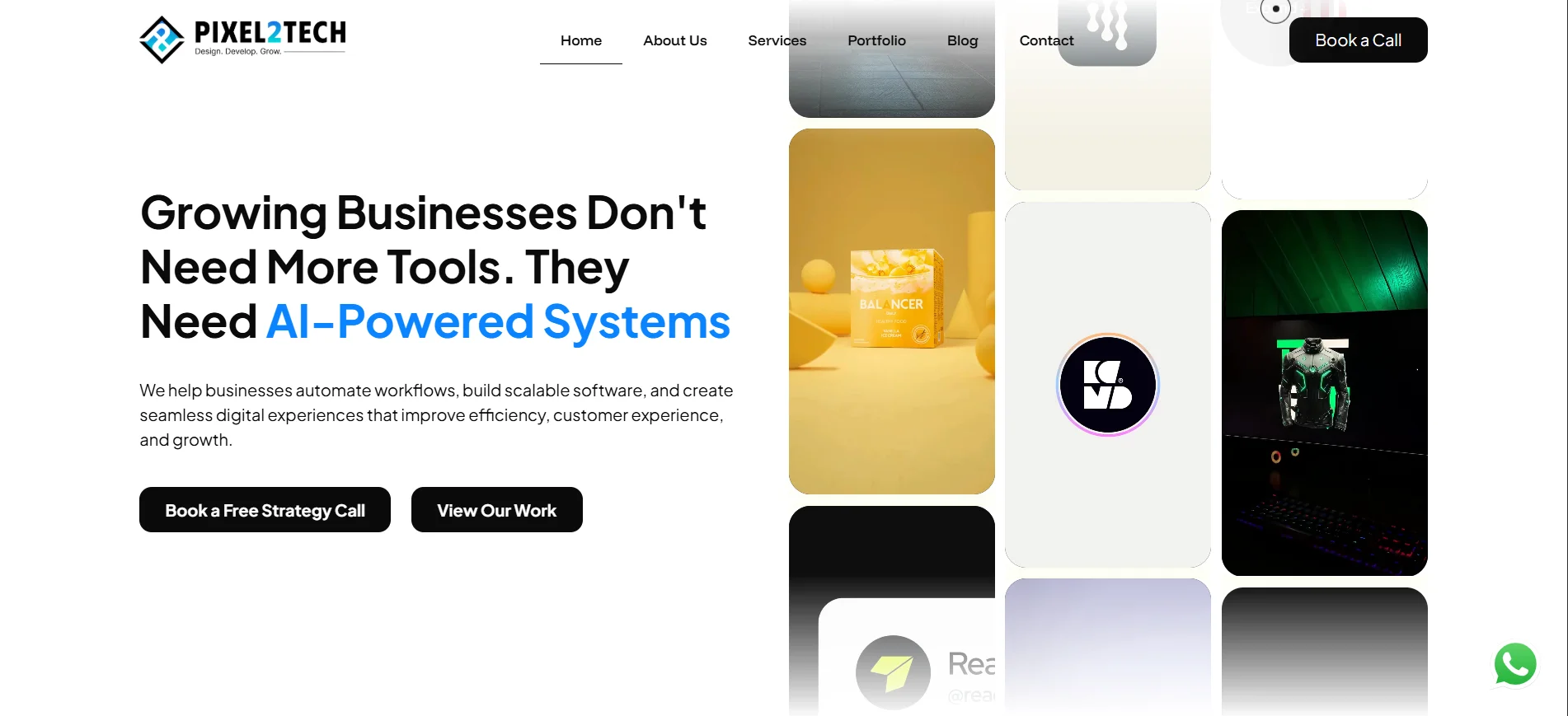
A fast, conversion-focused WordPress rebuild for a marketing agency that needed its own site to perform as well as the results it promises clients.
- 50% increase in consultation requests
- 90% faster page load time
- 95/100 PageSpeed score at handover
Finvoit — A WordPress Site Built to Convert Trial Sign-Ups (SaaS & Tech, 2026)
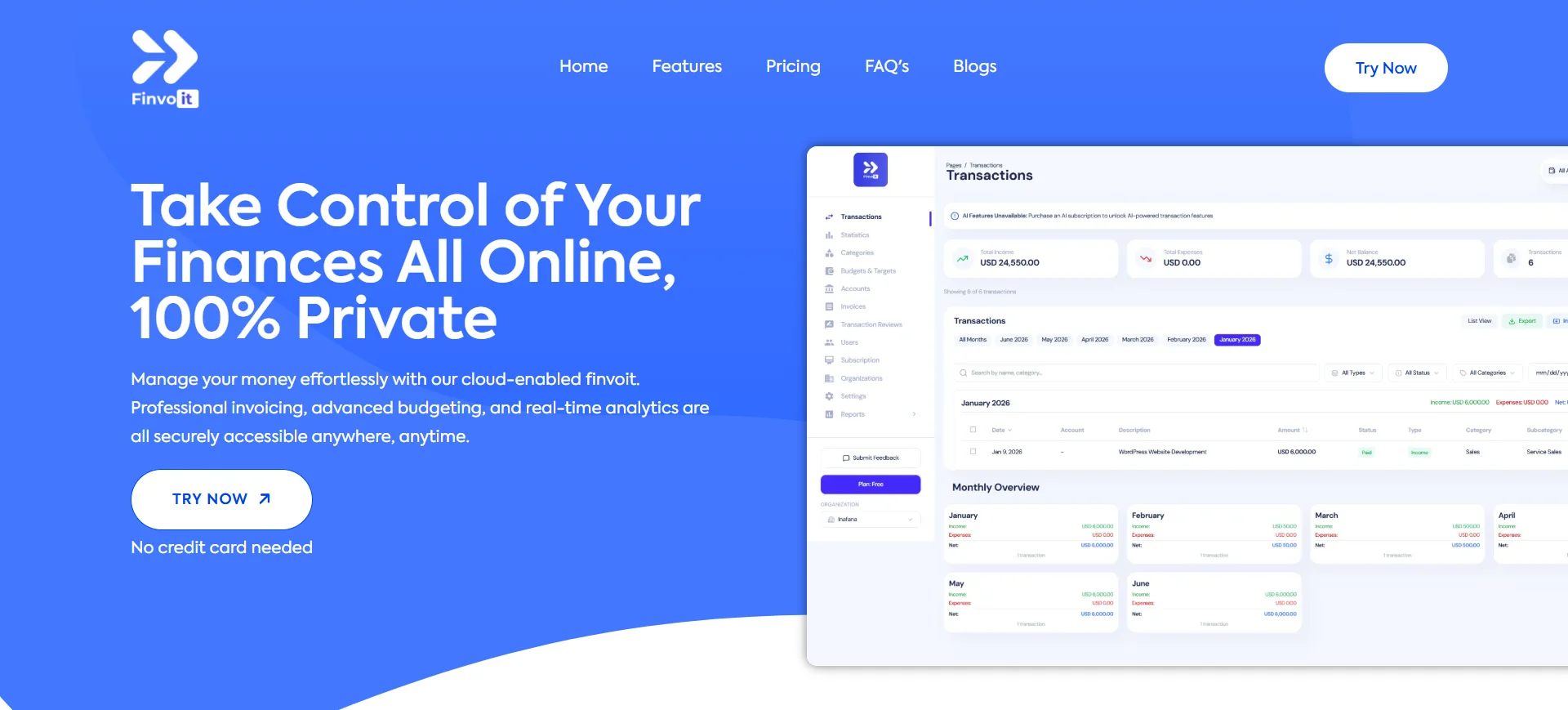
A product-led WordPress site for a project management SaaS platform, built to explain the product fast and drive free trial sign-ups.
- 80% increase in trial sign-ups
- 90% faster page load time
- 95/100 PageSpeed score at handover
Big Dreams — A WordPress Site Parents Actually Trust (Education, 2026)
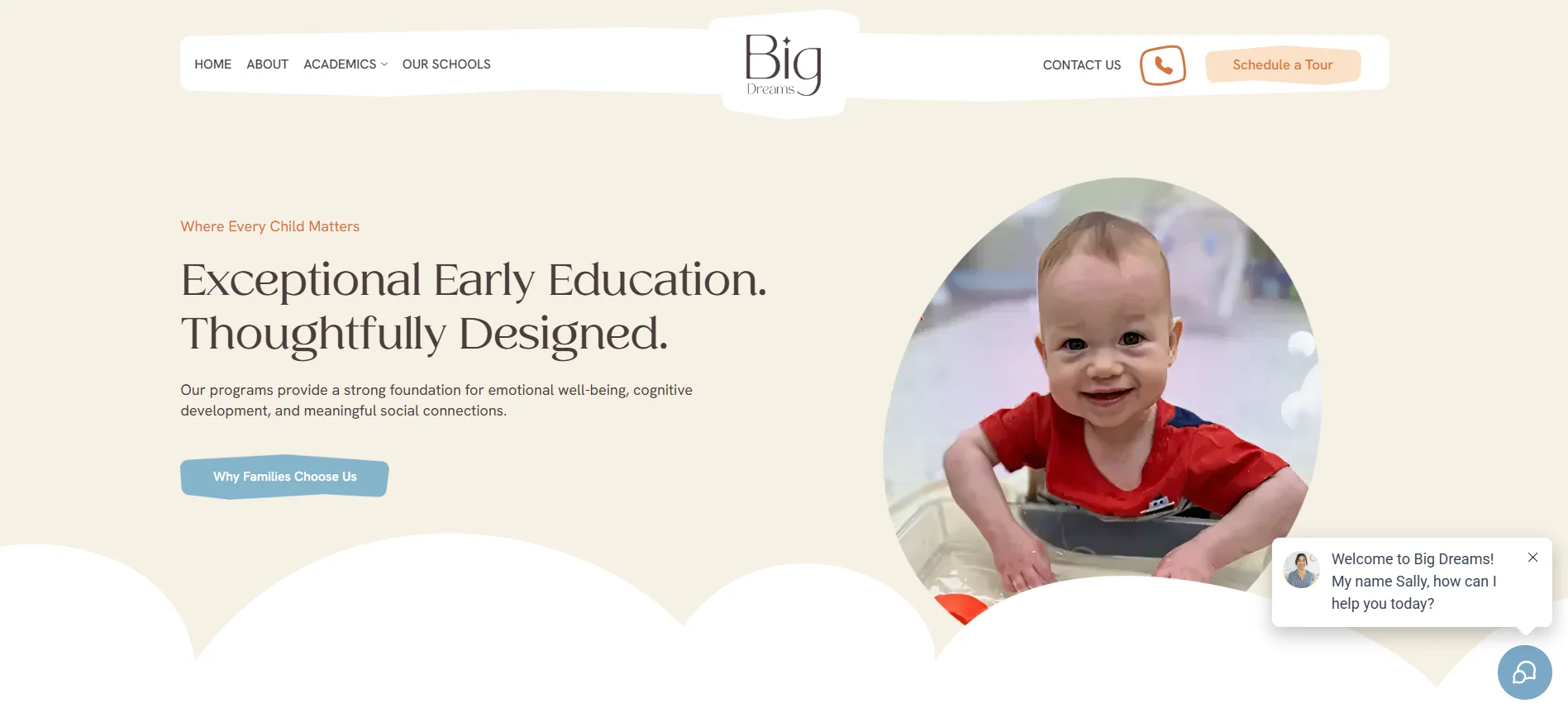
A clean, admissions-focused WordPress site built to make enrollment simple and give the school credibility online.
- 30% increase in admission inquiries
- 95/100 PageSpeed score at handover
Additional Case Study Placeholder — Ecommerce Client
[Reserved for next completed WooCommerce case study — recommended metrics to track: conversion rate change, average order value change, checkout abandonment rate, PageSpeed score at handover.]
Additional Case Study Placeholder — Healthcare Client
[Reserved for next completed healthcare case study — recommended metrics to track: appointment request increase, page load time improvement, accessibility audit score.]
What Clients Say About Our WordPress Website Designers
“Fast turnaround and excellent communication. The new website looks amazing and loads much faster than before.” — Michael Anderson, Austin, TX
“Our old WordPress site was slow and outdated. They completely redesigned it and optimized everything. We’ve already seen an increase in inquiries during the first month.” — David Thompson, Miami, FL
“The entire process was smooth and organized. They explained everything clearly, responded quickly to our questions, and delivered a beautiful custom WordPress website.” — Sarah Mitchell, Denver, CO
“I compared several agencies before choosing them. Definitely made the right decision. The site is faster, easier to manage, and looks far more professional than our previous one.” — Amanda Brooks, Boston, MA
“We received a completely custom website without unnecessary plugins or bloated templates. The loading speed is excellent, and the website looks fantastic across all devices.” — Kevin Foster, Atlanta, GA
[Testimonial placeholder — reserved for next collected client review]
[Testimonial placeholder — reserved for next collected client review]
Rated 4.9★ across 120+ Google reviews.
Expert Insight From Our Lead WordPress Website Designer
“The biggest mistake I see business owners make isn’t picking the wrong WordPress website designer — it’s not asking to see real, documented performance numbers before signing. A polished portfolio screenshot tells you nothing about how a site actually loads on a mid-range mobile phone with a weak connection, which is how most of your visitors will actually experience it. Ask for the PageSpeed report. Ask what’s included in year one of maintenance. Those two questions eliminate most of the bad options immediately.” — Lead WordPress Website Designer, WP Web Designers
Frequently Asked Questions
How much does WordPress website design cost?
WordPress website design typically costs between $2,500 and $15,000+ for a professional custom project. What drives the price for most WordPress website designers: number of pages, whether ecommerce is involved, integrations required, and how much SEO architecture is included.
How long does a WordPress website design project take?
A standard project runs 4–6 weeks from signed agreement to launch, assuming content is ready or being prepared in parallel. WooCommerce builds typically run 8–12 weeks. Smaller sites can move in as little as 2–3 weeks. You’ll get a timeline before work starts, held to in writing.
Do WordPress website designers use page builders like Elementor or Divi?
For most custom projects, we build with custom theme development using the Gutenberg block editor for better performance, cleaner code, and easier long-term maintenance. We can work with Elementor or Bricks Builder when a project specifically requires it — we’ll always explain the trade-offs before recommending one.
Will my WordPress site be SEO-optimized?
Yes — SEO is part of every project, not an optional add-on. Every site our WordPress website designers deliver includes semantic HTML structure, Yoast or Rank Math configuration, schema markup, Core Web Vitals optimization, XML sitemaps, and Google Search Console setup as standard.
Can WordPress website designers redesign my site without losing SEO rankings?
Yes. We audit existing rankings, document current URL structure, and carry authority forward through proper 301 redirects. Most redesign clients see ranking improvement, not decline, within 90 days.
Do you offer maintenance after launch?
Yes. All clients receive 30–90 days of post-launch support depending on package tier. Beyond that, monthly WordPress maintenance plans cover plugin updates, uptime monitoring, malware scanning, daily backups, and priority support. Roughly 70% of design clients stay on a maintenance plan.
What’s the difference between WordPress website designers at an agency and a freelancer?
A freelancer typically handles design, development, and project management simultaneously — workable for simple projects, but a bottleneck on complex ones. An agency structure brings dedicated specialists for each role, which scales more reliably as project complexity increases.
Is a headless WordPress build right for my project?
For most business websites, a well-optimized traditional WordPress build reaches excellent performance without the added complexity. Headless makes sense for specific technical requirements — multi-channel content delivery, a dedicated frontend engineering team, or performance needs beyond what a traditional build supports. See the Headless WordPress section above for the full breakdown.
Do you offer white label WordPress development for agencies?
Yes. We work with marketing agencies, branding studios, and consultants who need WordPress design or development capacity under their own brand. See White Label WordPress Website Design above, or reach out directly to scope an arrangement.
How do I know if I need custom WordPress website designers or a theme?
If you’re validating an idea on a tight budget and expect to rebuild within a year, a theme is defensible. If the site is meant to be a durable growth asset tied to your SEO and brand, custom WordPress website designers typically pay for themselves through better performance and reduced long-term technical debt. See the full Theme vs. Custom breakdown above.
What should I ask WordPress website designers before hiring them?
At minimum: their documented delivery timeline, whether SEO is included in the base scope, real PageSpeed numbers from past projects, who specifically will be building the site, and what post-launch support looks like. See the full Best Practices section above.
WordPress Website Design Glossary
- Core Web Vitals: Google’s set of metrics measuring loading performance, interactivity, and visual stability. See web.dev’s official definition.
- Gutenberg: WordPress’s native block-based content editor. See the official block editor handbook.
- Schema markup: Structured data added to a page’s code to help search engines understand its content. See Schema.org.
- WooCommerce: WordPress’s native ecommerce plugin. See WooCommerce.com.
- Headless WordPress: An architecture separating the WordPress backend from a custom-built frontend, connected via the WordPress REST API.
- PageSpeed Insights: Google’s free tool for measuring page performance. See pagespeed.web.dev.
Locations Our WordPress Website Designers Serve
Our WordPress website designers work remotely with businesses worldwide, with dedicated coverage across major markets in the US, UK, Canada, and Australia.
United States
- New York
- Los Angeles
- Chicago
- Houston
- Dallas
- Phoenix
- Denver
- Kansas City
- Buffalo, NY
- Fort Lauderdale
- Philadelphia
United Kingdom
- London
Canada
- Toronto
Australia
- Sydney
- Melbourne
Other Markets
- Dubai
Don’t see your city listed? We work with clients remotely across all of these regions regardless of city — reach out and we’ll confirm availability and timezone overlap for your project.
Start Your Project With Trusted WordPress Website Designers
Ready to Build a WordPress Site That Actually Earns Its Keep?
Tell our WordPress website designers about your project. We’ll review it, ask the right questions, and come back with a clear scope — no boilerplate proposals.
- 4–6 Week Delivery Guaranteed (2–3 weeks for smaller sites)
- Fixed-Price Quotes
- 100% In-House Team
Get a Free Consultation From Our WordPress Website Designers → View Portfolio First →
Prefer email? Reach us directly at info@wpwebdesigners.com or support@wpwebdesigners.com.